
Dolph Lundgren, Sports Leaders Discuss AI, Mentorship, and Athlete Development Ahead of FIFA World Cup 2026
Dolph Lundgren, Sports Leaders Discuss AI, Mentorship, and Athlete Development Ahead of FIFA World Cup 2026
Ahead of FIFA World Cup 2026, experts from sports, technology, and entertainment gathered in Los Angeles to discuss the evolving intersection of human potential, mentorship, and artificial intelligence
By Vic Gerami
As anticipation builds for FIFA World Cup 2026, leaders from the worlds of sports, entertainment, technology, finance, and media gathered in West Hollywood for an exclusive discussion exploring the future of athlete development, performance psychology, and the growing role of artificial intelligence in sports.
Hosted by AthreQ AI and The Agency Berlin GmbH, the invitation-only event, *Role Models in Sports*, took place June 9 at The London West Hollywood. The evening brought together prominent voices from multiple industries to examine how mentorship, leadership, psychology, and emerging technologies are transforming the way athletes are identified, supported, and developed.
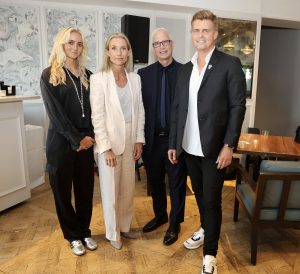
The event was hosted by AthreQ Chairman Peter Stridh, AthreQ Founder and CEO Katriina Lillelund, and Stefanie Unger, Managing Director of The Agency Berlin GmbH. Following an intimate networking reception, guests heard opening remarks from West Hollywood Mayor John Heilman, Lillelund, and Stridh.
Lillelund opened the evening by reflecting on the universal appeal of sports and the pursuit of excellence.
“Why is it that sports is so fascinating?” Lillelund asked. “I guess it’s because it’s the ultimate unfolding of human potential, really. When you look at elite performance, elite sports, it is the ultimate unfolding of human potential. It’s magic. It’s something that draws people to watch it again and again.”
She emphasized that the conversation extended far beyond competition and performance metrics.
“The conversation of this evening is not only about elite performance, it’s really about the future of sports,” Lillelund said. “It’s about how we can become much better at evaluating, creating much better systems, structures, technology that supports young, current and next-generation athletes to truly be seen for who they are, help them in their development, and become the best version that they can be.”
Strategically timed ahead of the World Cup and Los Angeles’ growing role as a global sports hub, the event focused on one of the most rapidly evolving discussions in athletics: how psychology, leadership, mentorship, data, and technology are reshaping athlete development at every level.
A featured panel discussion, *Understanding the Signature Psychology of the World’s Best Athletes*, was moderated by Gudrun Giddings, Honorary Consul General of Sweden in Los Angeles.
The panel included actor, filmmaker, engineer, martial artist, and former elite athlete Dolph Lundgren; AthreQ CEO Katriina Lillelund; SportsForce Founder and CEO Andrew Beinbrink; and Swedish business strategist and former professional alpine skier Lisa Tengbom.

Throughout the discussion, panelists examined the psychological characteristics that often distinguish elite performers, including resilience, confidence, emotional regulation, competitiveness, leadership, adaptability, and coachability. They also explored how artificial intelligence is creating new opportunities for organizations to better understand athletes beyond traditional scouting and performance evaluations.
Lundgren brought a unique perspective shaped by decades of achievement both in athletics and entertainment. Before becoming an internationally recognized actor, he served as captain of the Swedish National Karate Team and won championships in Sweden, Europe, and Australia. He later served as Team Leader of the U.S. Olympic Modern Pentathlon Team during the 1996 Atlanta Olympic Games.
Lillelund discussed AthreQ’s work in AI-powered player intelligence and how psychological profiling, combined with advanced analytics, can help sports organizations identify and develop talent more effectively.
Beinbrink, a former Arizona State All-American and professional baseball player within the Tampa Bay Rays and Texas Rangers organizations, shared insights from years of helping student-athletes navigate recruitment opportunities and scholarship pathways.
Tengbom contributed perspectives on long-term performance, personal development, wellness, and mentorship, drawing from her experience as a Swedish National Champion skier and business growth strategist.
The evening concluded with the presentation of the Living the Example Award, recognizing leadership, resilience, and positive impact among young people.
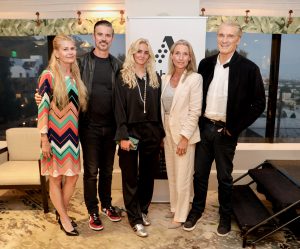
The award was presented to 15-year-old Larissa Gomez by Ruth Morales of the U.S. Drug Enforcement Administration’s Operation Engage Los Angeles Division and Gudrun Giddings, who also serves on the Board of Directors of Mentor Foundation USA.
Mentor Foundation USA is part of the global Mentor International network, founded in 1994 by Queen Silvia of Sweden in partnership with the World Health Organization. The organization is dedicated to empowering young people to make informed and healthy life choices through mentorship and prevention-focused programs.
The event was supported by AthreQ AI, Amazon Web Services (AWS), and Milkadamia. Together, the organizations highlighted the growing role of innovation, technology, and mentorship in shaping the future of sports while emphasizing the importance of developing athletes not only for competitive success, but for long-term personal growth and well-being.
As Los Angeles prepares to welcome the world for FIFA World Cup 2026, conversations like these are helping shape a broader vision for the future of sports, one in which technology and human potential work hand in hand to support the next generation of athletes.