
Double Standards on Display: Iran and Egypt Reject Pride While Expecting Cultural Deference
Double Standards on Display: Iran and Egypt Reject Pride While Expecting Cultural Deference
How demands for respect abroad clash with refusal to honor local values at home
By Vic Gerami
FIFA had set June 26 as a Pride celebration day for Seattle’s match well before team assignments or schedules were finalized. It wasn’t about targeting Iran versus Egypt—it aligned naturally with June’s Pride Month and Seattle’s ongoing cultural calendar.
When the World Cup was hosted in Qatar, restrictions were imposed on LGBTQ+ symbols, justified under the notion of respecting local culture. Yet now, Iran and Egypt refuse to participate when Pride is celebrated in the U.S.—essentially demanding the suppression of the host nation’s values. This double standard is glaring.
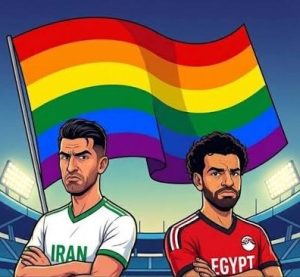
Sporting events, whether the World Cup or the Olympics, are meant to foster global unity. By rejecting this event, Iran and Egypt marginalize others and undermine the spirit of inclusion. Their stance is not just a cultural disagreement; it infringes on basic human rights and freedoms.
Western nations playing in Middle Eastern countries don’t demand changes to local customs. No one insists on altering traditions such as dress codes or prayers. The claim that Pride is political is a misrepresentation—being who you are isn’t politics. It’s a fundamental human right to celebrate one’s identity.

This stance by Iran and Egypt risks damaging their own reputations. Iran, in particular, has garnered some sympathy on the global stage due to its challenges, yet actions like these undo such goodwill. It’s poor optics, and it undermines the broader message of unity that international sports should convey.
Ultimately, this isn’t about imposing beliefs. It’s about respecting the host country’s culture—just as others expect theirs to be respected. In this case, the ask is simple: let people celebrate who they are, just as we respect traditions when we visit their nations.